Where's the Storybook That Looks Like My Kid? On Raising a Reader Who Sees Themselves
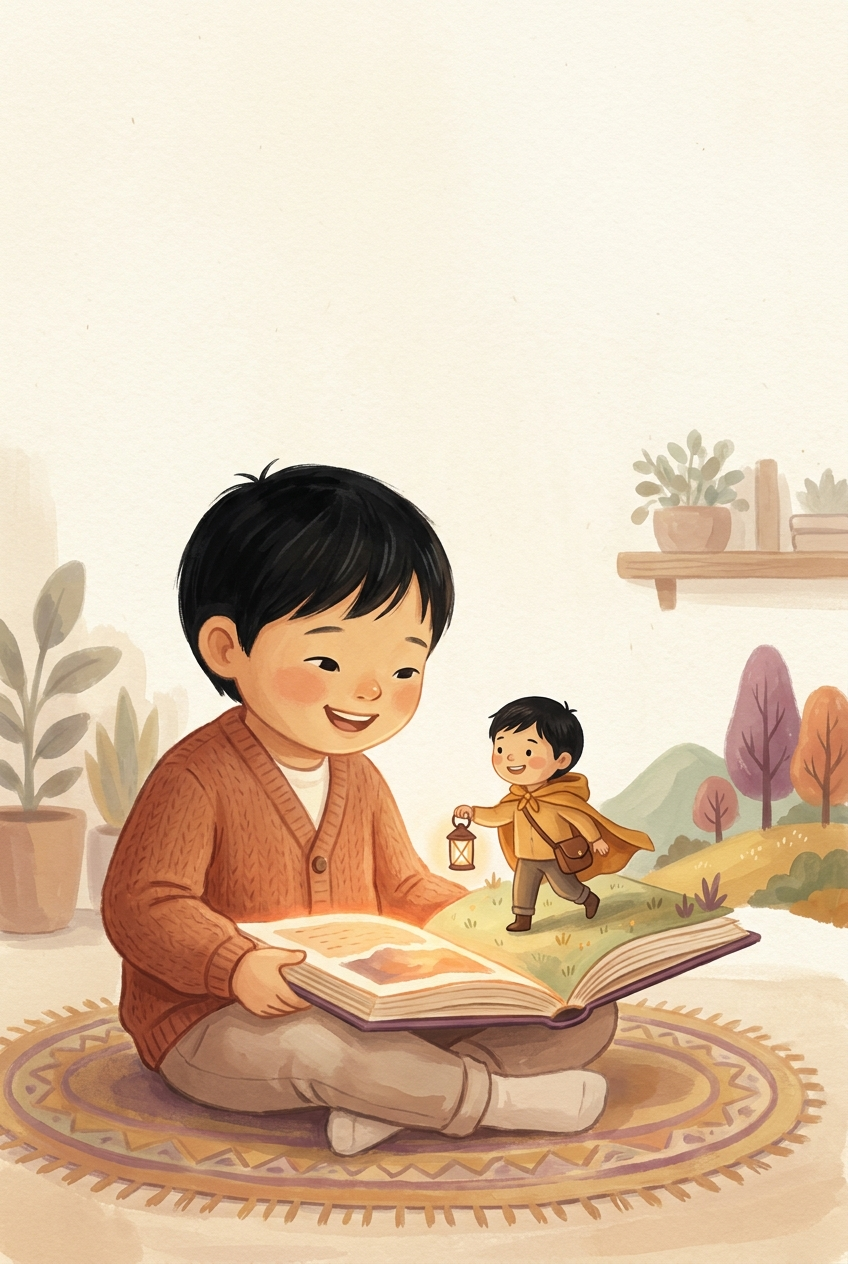
Stand in the picture-book aisle long enough and you start to notice who's at the center of the stories, and who isn't. For a lot of kids, the hero never quite looks like them, lives like them, or has a name like theirs. It seems small. It isn't. The children who get to be the hero, and the ones who only ever get to be the friend, are learning something quiet but lasting about whose stories matter.
1. Mirrors and windows
Kids need both: books that are windows into other lives, and books that are mirrors of their own. Most libraries are long on windows for some children and short on mirrors for others. Both kinds of books build empathy; only mirrors build the sense that you belong at the center of a story.
2. The quiet cost of always being the sidekick
No single book matters much. But a whole childhood of being the helper, never the hero, adds up to a soft, unspoken lesson about whose adventures are worth telling.
3. Representation is more than skin tone
It's their name, spelled their way. The shape of their family. Their hair, their grandmother's kitchen, the holidays they actually celebrate. Real representation is specific.
4. How personalization closes the gap
When the hero is unmistakably your child (their name, their look, their world), the question "do I belong at the center of this story?" answers itself. That's the gap a personalized story is built to close.
5. Choosing stories that reflect your child
Look for heroes, not just background characters, who share your child's world, and supplement the aisle's gaps with stories made for them specifically.
Chapterling is an ongoing, personalized story where your child is the hero, by name, illustrated to look like them, in a world that reflects theirs. Appearance is treated as art-direction for a stylized illustration, never a photo of your child. The story remembers them and grows with them, episode by episode, and a real person reviews every one.
Start your child’s story →Frequently asked questions
Seeing themselves as the hero helps children feel they belong at the center of a story, which supports identity, confidence, and a love of reading.
A "mirror" reflects a child's own life back to them; a "window" shows them someone else's. Children need both, and many lack enough mirrors.
Yes, personalized stories like Chapterling make your child the named, illustrated hero, in a world that reflects theirs.