Preparing Your Toddler for a New Baby: 7 Gentle Ways to Help Them Feel Like the Hero
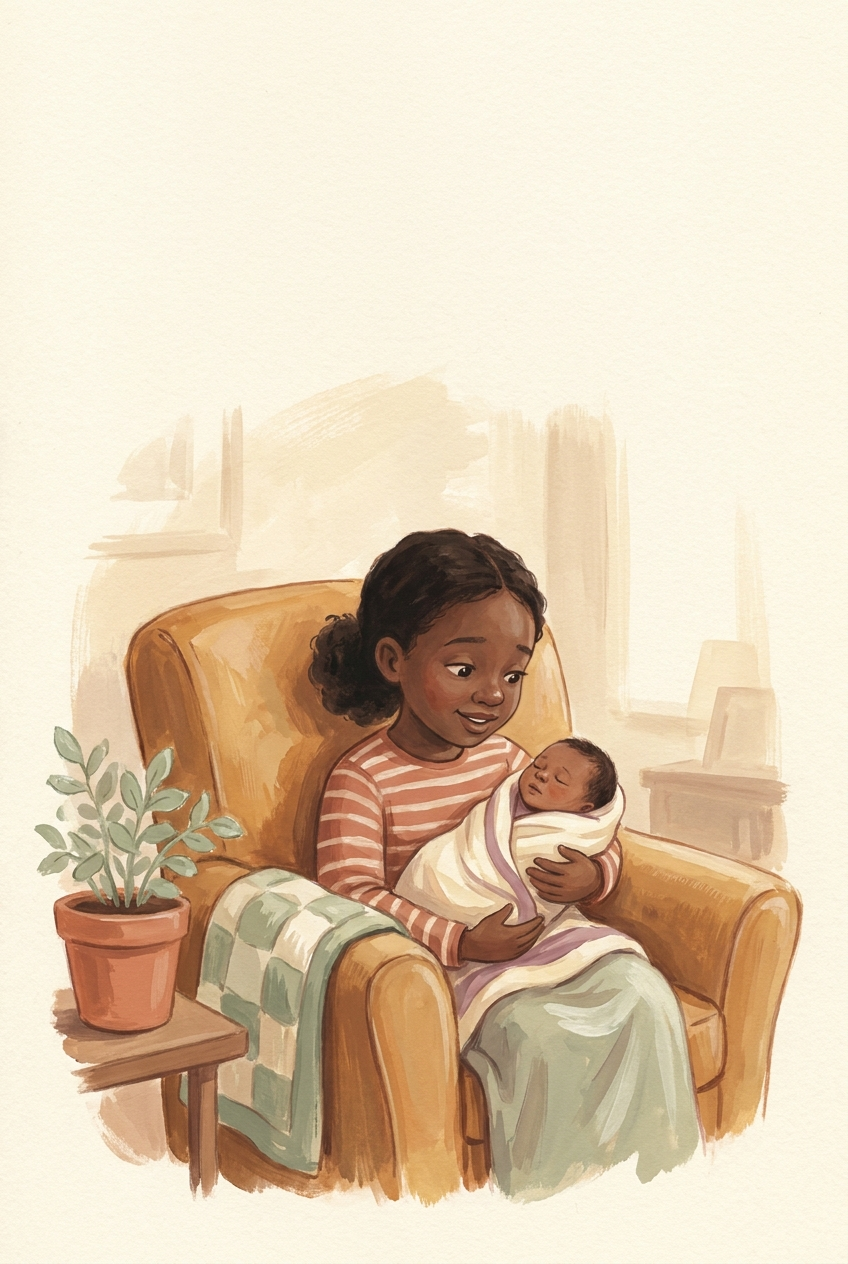
There's a particular worry that arrives somewhere around the second trimester, usually at night: not about the new baby, but about the one already asleep down the hall. Will they feel pushed aside? Replaced? Will the thing that's supposed to grow your family quietly shrink your firstborn?
If you're carrying that worry, it means you're paying attention. A new sibling is one of the biggest transitions a small child will ever go through, and they go through it without any of the words we have for it. The good news: a few gentle, deliberate moves in the months before, and the weeks after, make an enormous difference. Here are seven that actually help.
1. Tell them on their clock, not the calendar's
A toddler has no idea what "March" means, and "in five months" is just noise. Anchor the news to things they can feel: "The baby will come when it's warm enough for the sandbox again." Tell them after you've told the people closest to you, but don't wait so long that they overhear it first. Kids handle big news best when it comes from you, calmly, in their own scale of time.
2. Give them a real job, not a demotion
"Big sister" can sound, to a three-year-old, suspiciously like "less important person." Turn the title into a role with tasks: choosing the going-home outfit, being in charge of the lullaby, picking which book goes in the hospital bag. A job is something you're trusted with, and feeling trusted is the opposite of feeling replaced.
3. Read about it, and let them see themselves in the story
Stories are how small children rehearse big feelings safely. Reading about a child who becomes a big sibling lets yours try the feeling on before it's real. It helps even more when the child in the story looks and lives like they do, when the hero isn't a generic kid, but unmistakably them. Seeing yourself navigate the thing you're scared of is quietly powerful, even at three.
4. Practice gently, through play
Bring a baby doll into the everyday: practice the careful hold, the soft voice, "the baby is sleeping, let's whisper." Narrate it lightly, "You're being so gentle," so the behavior you want becomes the behavior they've already rehearsed. When the real newborn arrives, it won't be the first time their hands have known what to do.
5. Protect their "firsts" and a little one-on-one time
In the blur after a birth, guard a small, sacred amount of time that is only theirs: ten minutes of the bedtime story, just the two of you, with the door closed. It doesn't have to be long. It has to be reliable. Predictable one-on-one time is the reassurance that says, without words, you did not lose your place.
6. Let them help build the welcome
Children defend what they help create. Let them choose a small thing for the baby: a stuffed animal, the color of a blanket, a drawing taped above the crib. When the baby arrives into a space your toddler helped make, the newcomer feels less like an intruder and more like someone they invited.
7. Let the hard feelings have names
Your toddler may adore the baby and resent the baby in the same hour. That's not a problem to fix; it's a feeling to name. "It's hard to share Mama. You're allowed to feel that." Jealousy that's spoken out loud and met with warmth tends to soften. Jealousy that's shushed tends to go looking for other exits, usually around 5 p.m.
Most books about a new sibling end at the hospital door. Chapterling is an ongoing, personalized story where your child is the hero, by name, illustrated to look like them, and the story remembers. The new baby can be woven into the plot; the big-sibling job can become the hero's quest. A real person reviews every episode, and you decide what's shared.
Start your child’s story →Frequently asked questions
After you've told your closest circle, and early enough that they hear it from you rather than overhear it, but framed in their sense of time ("when it's warm out") rather than in months.
Name it, don't shush it. Protect a small, reliable slice of one-on-one time, keep their routines as steady as you can, and give them real ways to help. Jealousy met with warmth usually softens.
Look for stories where the older child is the capable hero, not a bystander, and, where you can, ones your child can see themselves in. A personalized story (like Chapterling) takes that further by making your child the named, illustrated hero of the arrival.