Moving House With a Little One: How to Make the New Room Feel Like Theirs
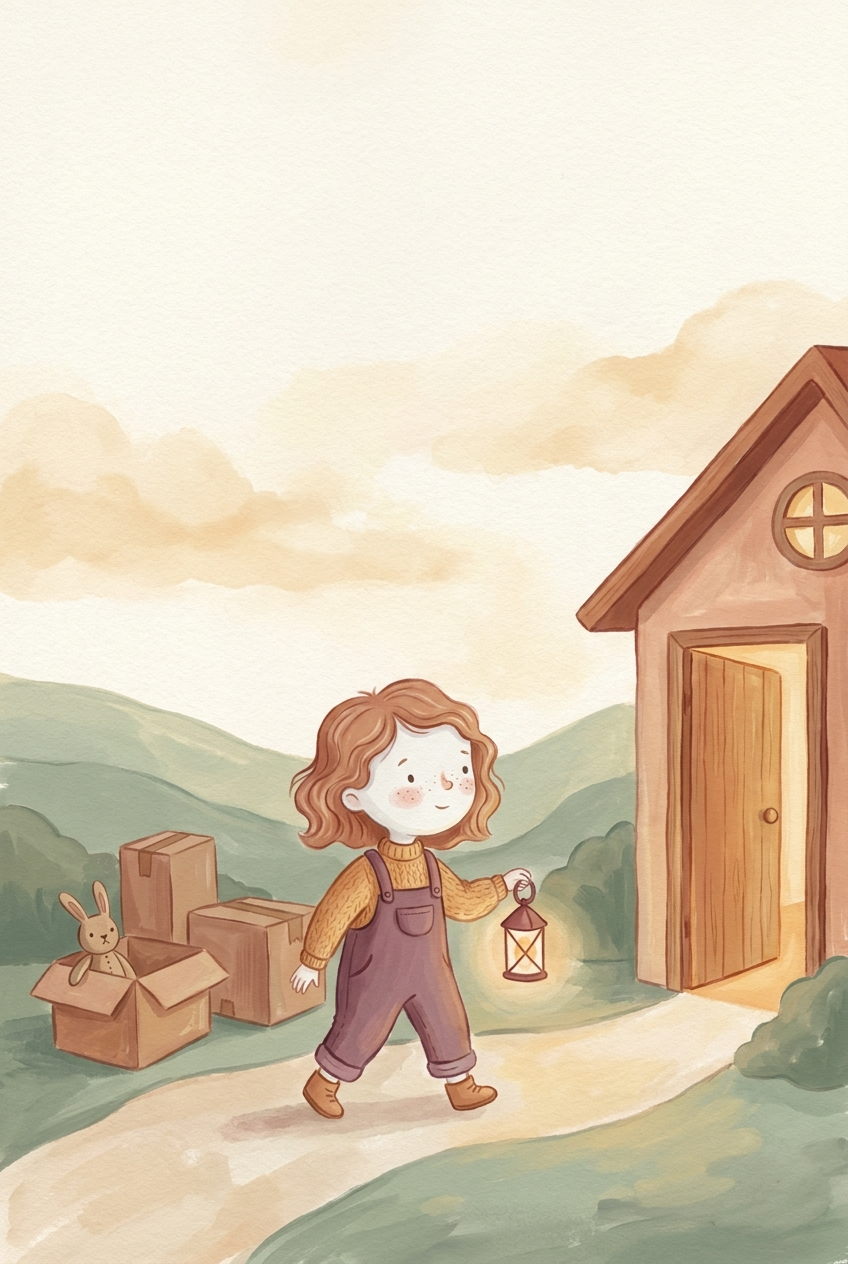
To a toddler, your house isn't a building, it's the entire known world. The corner where the light falls in the morning, the exact creak of their door, the route from bed to breakfast. Moving rearranges all of it at once, and they don't have the words to say so. What comes out instead is clinginess, meltdowns, a sudden need to be carried. None of it means you've done something wrong. Here's how to make a move feel less like losing home and more like carrying it with them.
1. Keep the routines that travel
Almost everything about a move is new; the bedtime story, the same blanket, the same three songs are not. Protect those rituals fiercely through the chaos, they're the thread of "still home" running through everything that changed.
2. Let them say goodbye to the old place
Walk the empty rooms together and say goodbye out loud: to the kitchen, the bath, the squeaky stair. A small ending helps a small person start something new.
3. Set up their room first
On the first night, in a house full of boxes, have one finished, familiar place: their bed, made up the way it always is. It becomes the anchor everything else can grow around.
4. Give them a job in the move
Let them pack their own "important box": the few toys and books that ride with them, not in the truck. Packing their own treasures turns the move from something happening to them into something they're doing.
5. Tell the story of the move out loud
Narrate it as an adventure they're the hero of: "First we'll drive a long way, then we'll find our new front door, then we'll make your room cozy." Knowing the shape of what's coming shrinks the fear of it.
6. Expect a few steps backward
Sleep, potty, appetite: small regressions are normal after a move and usually pass. Hold the routines steady and ride them out with extra patience.
Moving is one of those moments where it helps for your child to feel like the brave hero, not the uprooted passenger. Chapterling is an ongoing, personalized story where your child is the hero, by name, illustrated to look like them, and the story remembers. The move can become an episode: the hero who finds a new home and makes it theirs. A real person reviews every episode before it reaches your child.
Start your child’s story →Frequently asked questions
Keep familiar routines rock-steady, set up their room first, give them small jobs, and narrate the change as a story. Expect a short adjustment period and ride out small regressions gently.
Toddlers can't yet understand or voice the change, so it often shows up as behavior rather than words. Predictable routines and lots of reassurance do the heavy lifting.
Often a few weeks for routines to feel normal again; keeping rituals consistent speeds it up.